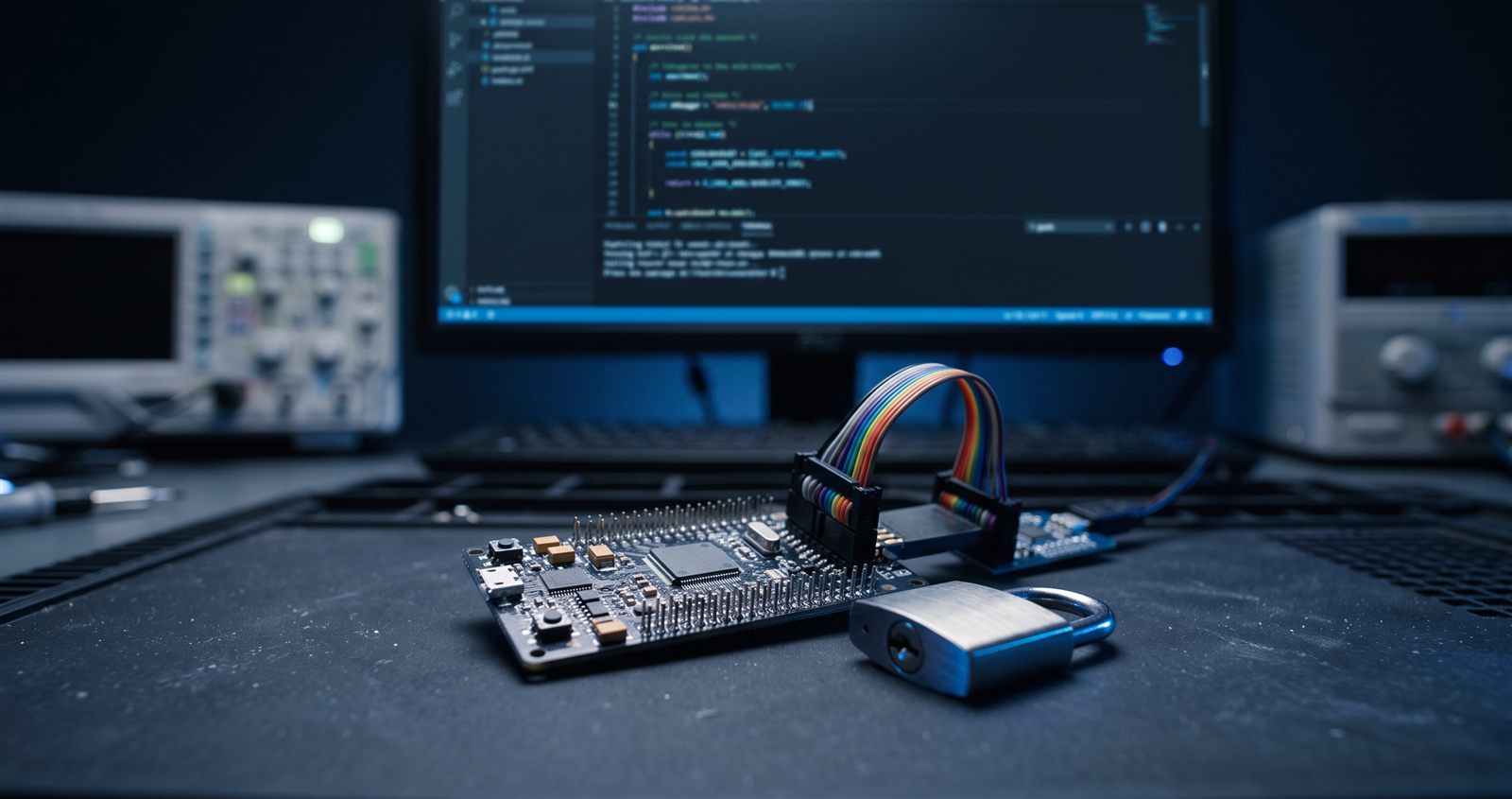
Developing a Bootloader: Design Considerations, Code Signing, and Encryption
What it takes to design a reliable embedded bootloader, from fail-safe updates and memory layout to digital signatures, secure boot, and firmware encryption.
Read article →Technical Writing
Practical notes from the bench — firmware techniques, FDA regulatory experience, power electronics design, and embedded systems engineering. Written by working engineers, not marketing.
What it takes to design a reliable embedded bootloader, from fail-safe updates and memory layout to digital signatures, secure boot, and firmware encryption.
Read article →
How to design clean, maintainable embedded firmware using table-driven state machines and hierarchical state machines to manage complex device behavior.
Read article →
Before you bring in a contract engineering firm, here is what actually works, what does not, and how to set the engagement up for success.
Read article →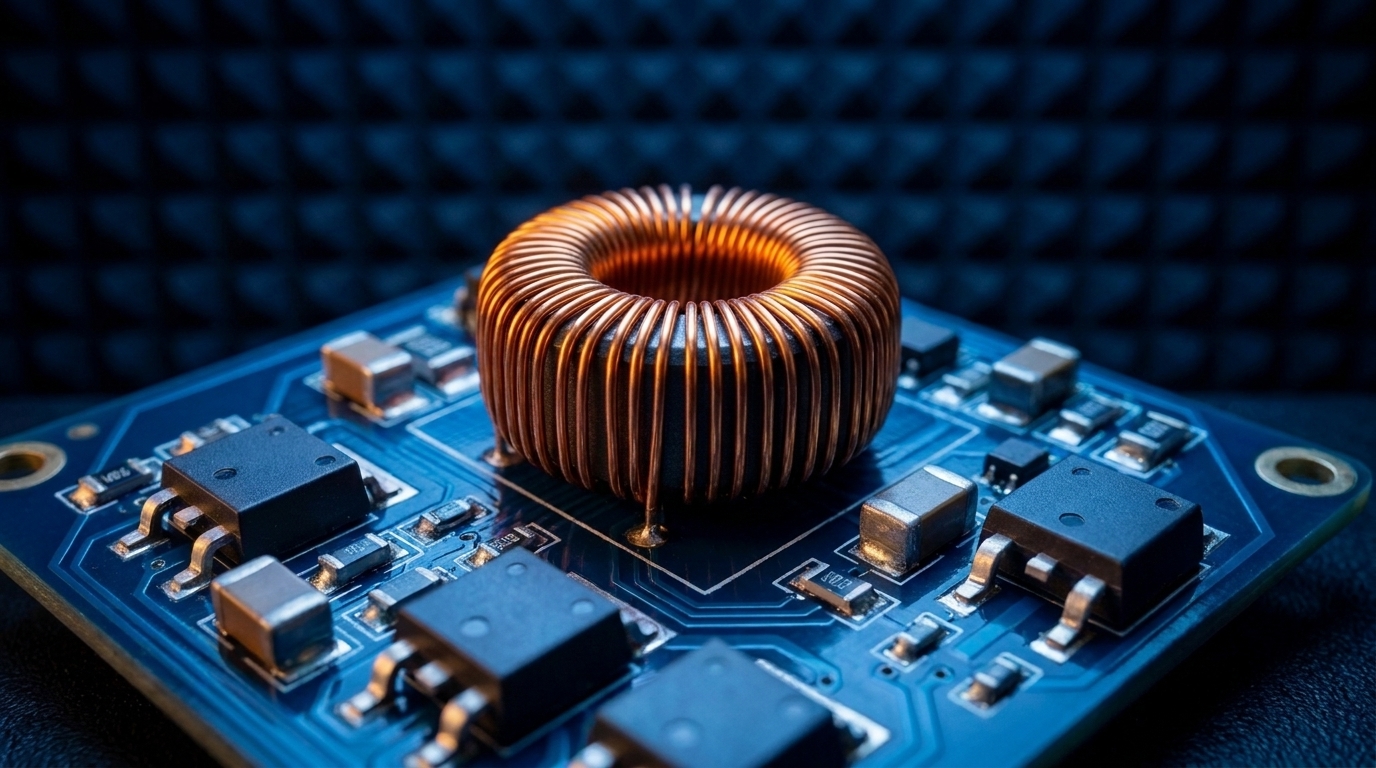
Gate drive transformers look simple until a MOSFET dies for no obvious reason. This post covers the volt-second product constraint, core selection, reset methods, winding technique, and the three mistakes that actually kill designs.
Read article →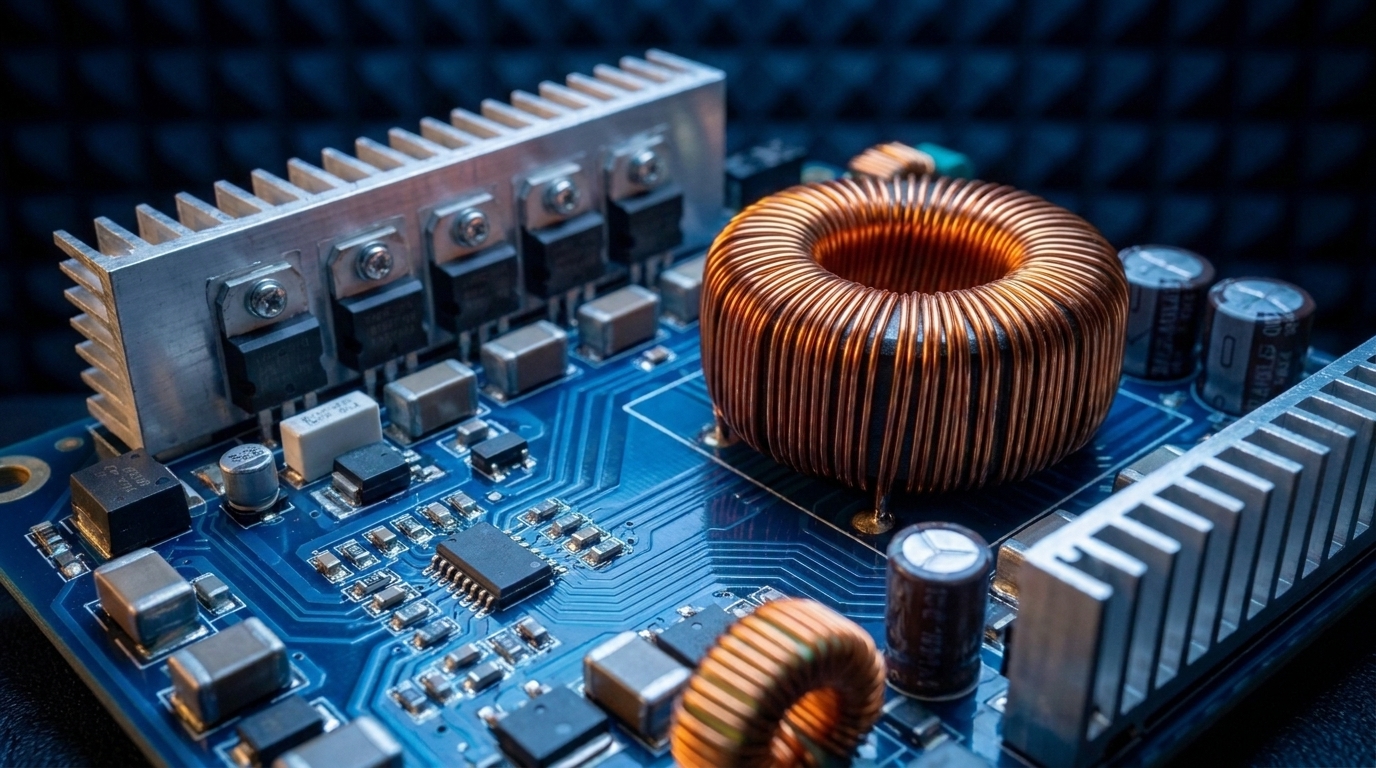
Driving the gates of high-side MOSFETs and IGBTs in isolated topologies requires getting a signal across a voltage barrier that can be hundreds of volts. Gate drive transformers are often the most robust and cost-effective way to do it.
Read article →
GPS does not work indoors. BLE-based positioning does — but building a system that is actually accurate requires understanding the physics of radio propagation, the math of trilateration, and the practical realities of deploying fixed infrastructure in a real building.
Read article →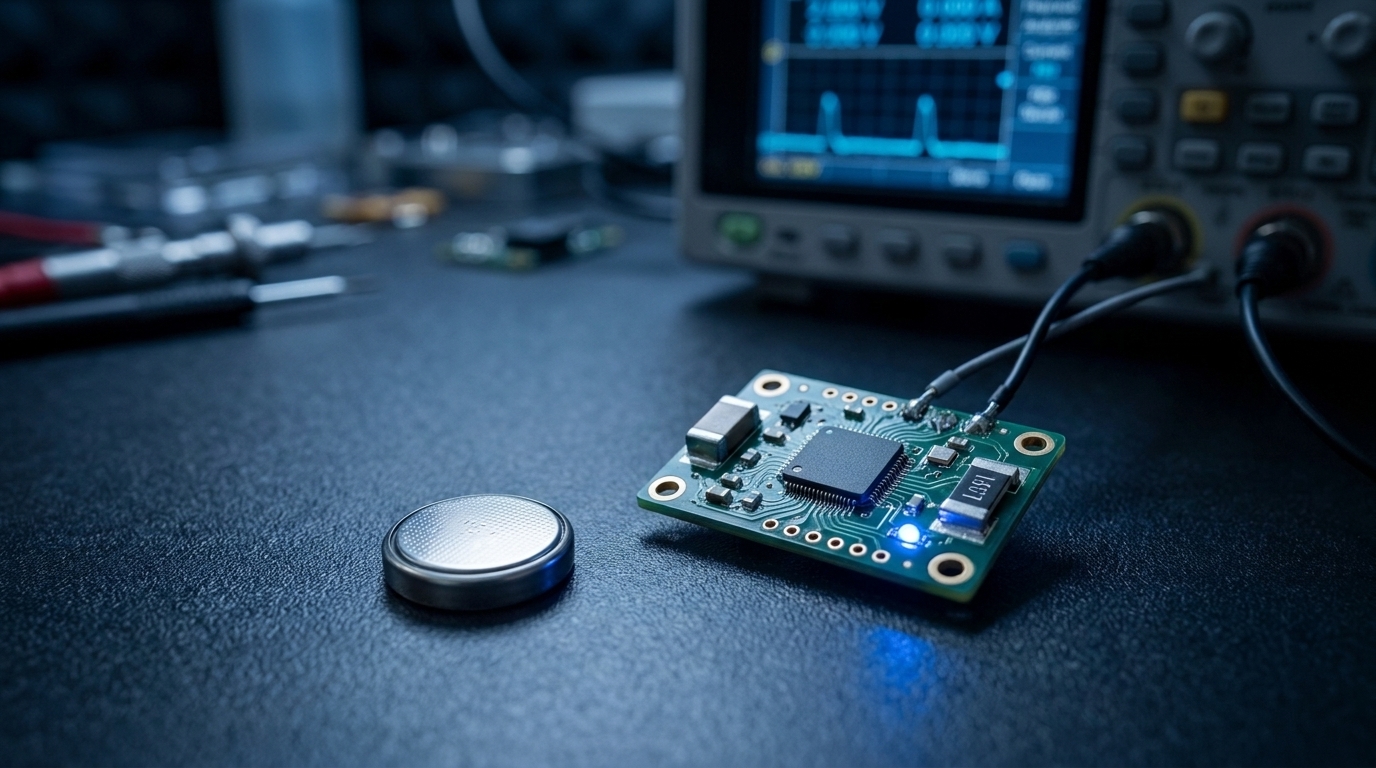
Getting an embedded device to run for months or years on a coin cell requires more than putting the processor to sleep. Here is what the engineering actually looks like.
Read article →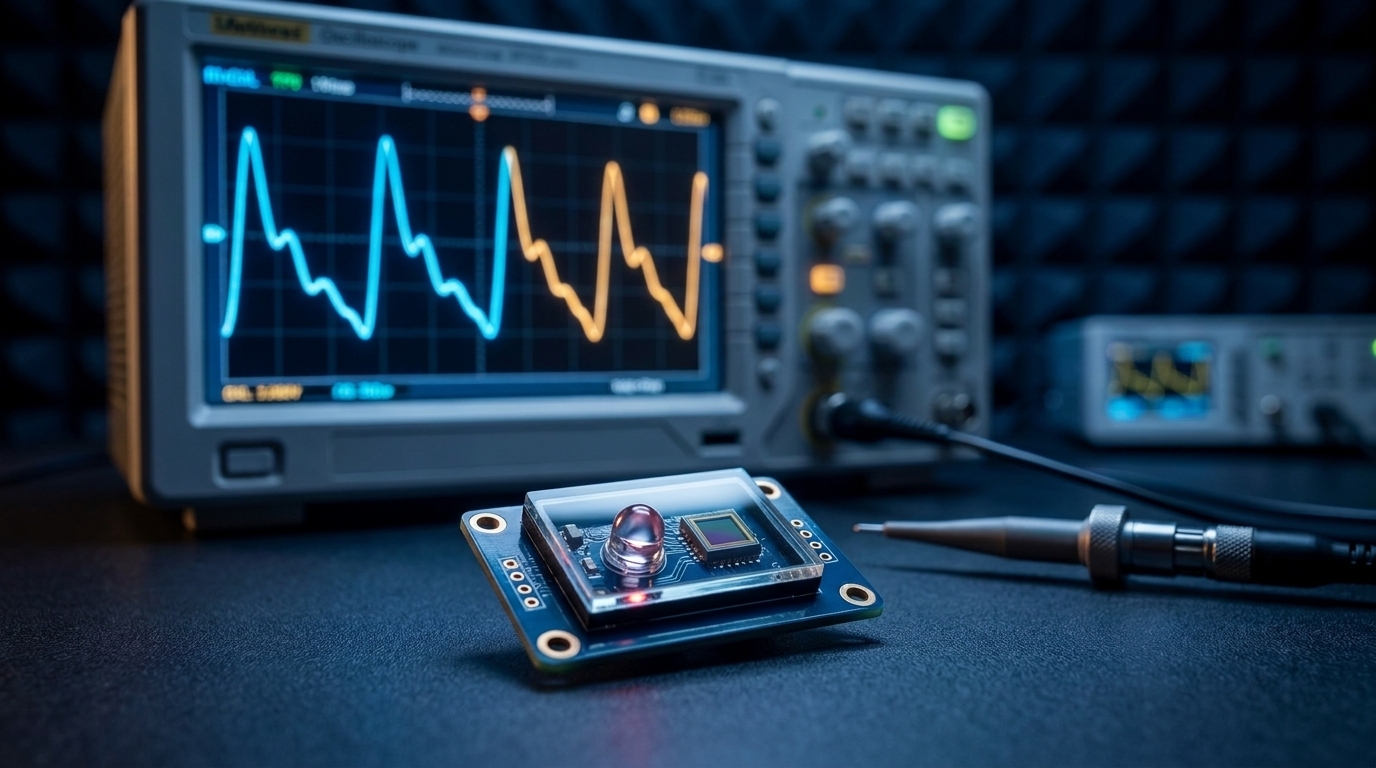
Left ventricular end-diastolic pressure is one of the most clinically meaningful hemodynamic parameters — and one of the hardest to measure without a catheter. Here is what the engineering looks like when you try to extract it from a photoplethysmography waveform.
Read article →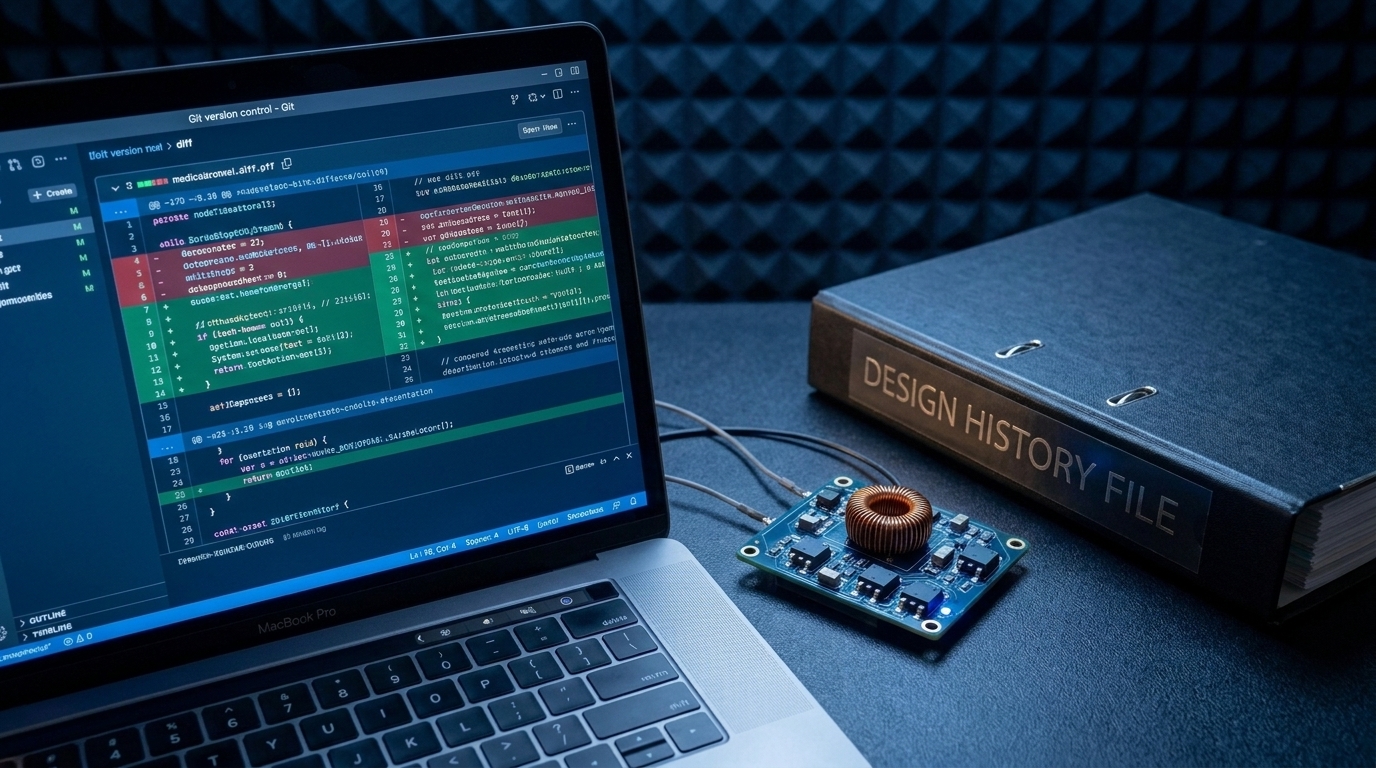
Version control is not just a best practice for medical device software — it is a regulatory requirement that directly supports your design history file, audit trail, and ability to respond to field issues.
Read article →
The STM32 family is one of the most capable and cost-effective choices for medical device firmware — but using it in a regulated product requires more than just writing good code.
Read article →